

The Western approach
From a Western perspective, traditional acupuncture has been shown to alter the levels of many hormones and prostaglandins, and can affect the behaviour of white blood cells and antibodies. The biochemical changes alter and influence the body’s homeostasis mechanisms, thus promoting physical and emotional well-being.
Other modern theories are concerned with acupuncture’s effect on the central nervous system, cardiovascular system and others.
Stimulation of certain acupuncture points has been shown to affect areas of the brain that are known to reduce sensitivity to pain and stress (Hui 2010).
The Eastern Philosophy
From an ancient perspective, ‘Qi’ or ‘Vital Force’ or ‘Bio-Energy’ exists and flows around our bodies via clearly-defined ‘Channels of Energy’.
The correct and optimum flow of this energy assists the body’s fight against disease and promotes well-being.
“Whichever school of thought you subscribe to, there is a growing body of evidence to support the validity of acupuncture and its ability to help our bodies heal. I see plenty of anecdotal evidence on a weekly basis to have total faith in its efficacy”.
Darren Stoyle
Member of the Association of Acupuncture Clinicians
Other modalities that may be added to optimise the therapeutic benefits including:
Moxibustion – heat therapy
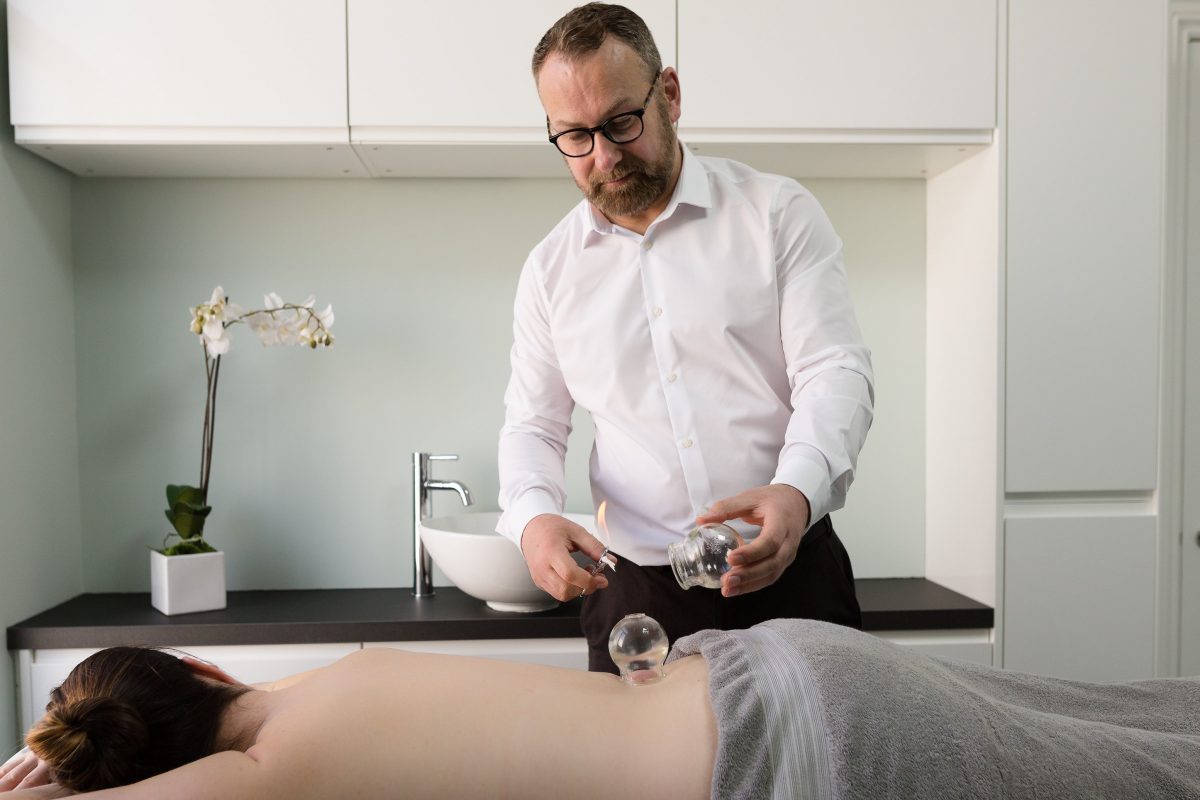
Cupping
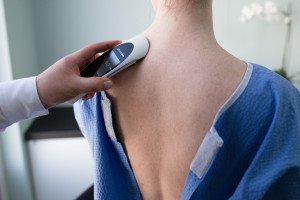
Gua Sha (scraping)
This traditional technique uses a smooth-edged tool to “scrape” the skin, intentionally creating light bruising called “sha.” A process which breaks up fascia, helping to release stagnant energy, and dramatically boosts microcirculation.
Gua Sha is effective for reducing chronic inflammation, relieving muscle pain, and promoting lymphatic drainage for detoxification.
PhysioKey
Other treatments available from Darren
Tui Na Massage (Ideal for patients who don’t like needles)
Pronounced “twee na” this therapeutic massage is one of the oldest forms of bodywork, originating in China.
One of the four main branches of Traditional Chinese Medicine (inc. Acupuncture, Qi Gong and Chinese herbal medicine) Tui Na is useful as a standalone treatment or alongside acupuncture.
Tui Na Massage can help ease:
- Muscular & joint pain
- Acute injuries
- Stress (physiological, emotional & psychological)
- & various other conditions
Frequently asked questions about acupuncture
What type of acupuncture do you offer?
Darren practises Traditional Chinese Medicine and Five Element acupuncture. He can combine acupuncture with related techniques such as cupping, moxibustion, gua sha and Tui Na massage, depending on what suits you.
Who is your acupuncturist?
Darren Stoyle is our acupuncturist. He’s degree-trained and a member of the Association of Acupuncture Clinicians.
What can acupuncture help with?
People see Darren for many reasons, most often long-standing pain and stress. NICE guidance recommends acupuncture as an option for preventing chronic tension-type headaches and migraines, and for some types of chronic pain. Darren will talk through your health concerns at your first appointment and be honest about whether acupuncture is likely to help.
Does acupuncture hurt?
Most people feel very little. Acupuncture needles are much finer than the needles used for injections or blood tests. You may feel a brief tingle or a dull ache as a needle goes in, and many people find treatment relaxing.
Are the needles safe?
Yes. We only use sterile, single-use needles, which are disposed of straight after your treatment.
What happens at my first acupuncture appointment?
Your first appointment lasts 90 minutes and costs £65, including treatment. Darren takes a detailed history of your health, lifestyle and the problem you’ve come with, then gives your first treatment. Follow-up treatments last 60 minutes and cost £50.
How many acupuncture sessions will I need?
It varies from person to person. Darren will suggest a plan at your first appointment and review it as you go. If you need several sessions, a course of 6 costs £255, saving 15%.
Is acupuncture the same as dry needling?
No. Dry needling uses needles to release tight spots in muscles and is based on Western anatomy. Traditional acupuncture looks at your health as a whole and uses points chosen according to Chinese medicine.
I don’t like needles. Are there other options?
Yes. Tui Na is a Chinese therapeutic massage that can be used on its own or alongside acupuncture. It’s done over clothing, so you don’t need to undress. A 60-minute Tui Na session costs £50. Darren can also use cupping, moxibustion or gua sha instead of needles.


